
TLT Signature Hotels
Designed as an extension of the guest experience, TLT Signature Hotels’ website brings together atmosphere, clarity, and ease of use. The platform blends storytelling and booking into a composed digital journey that reflects the brand’s hospitality standards.
Project Gallery
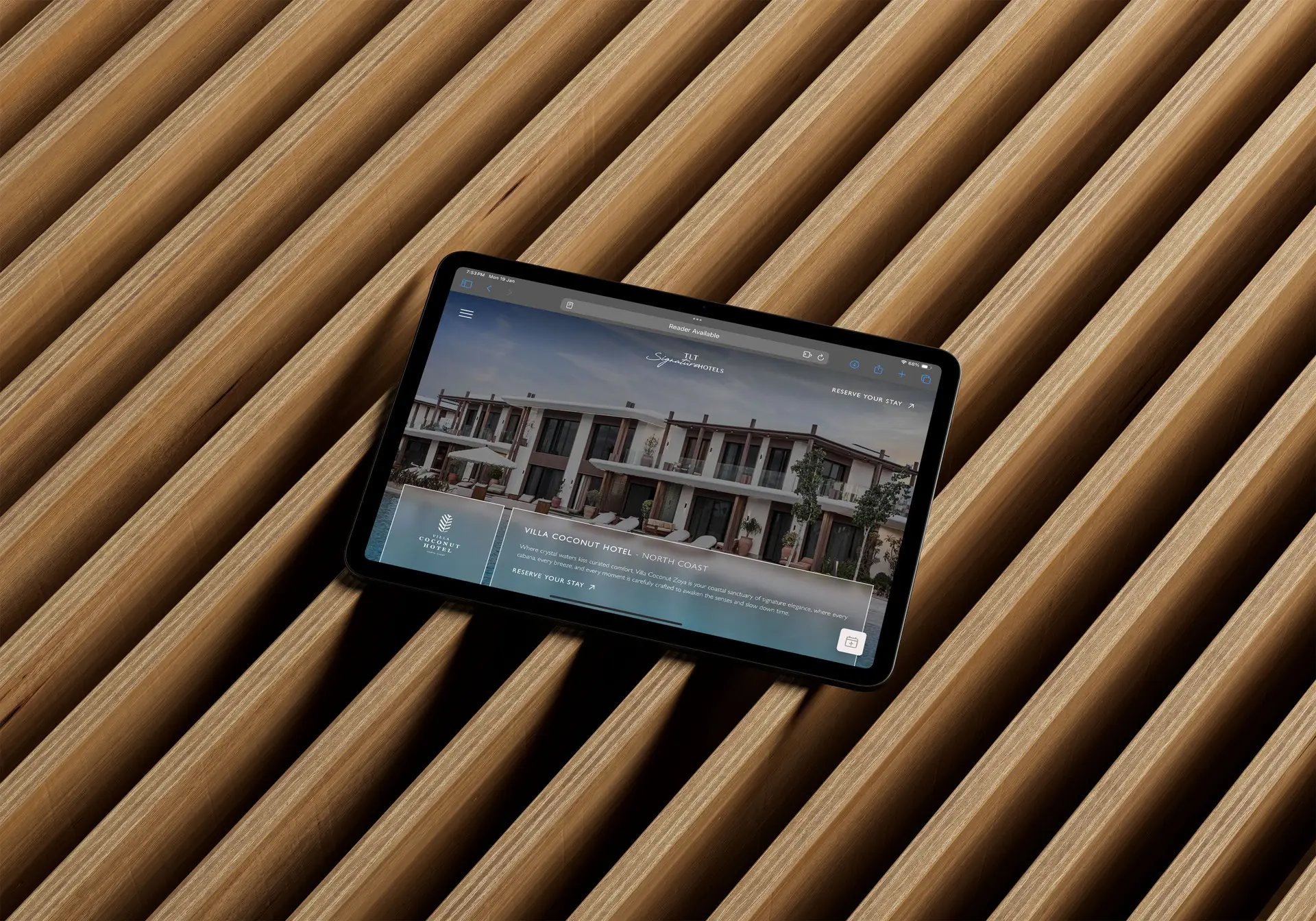
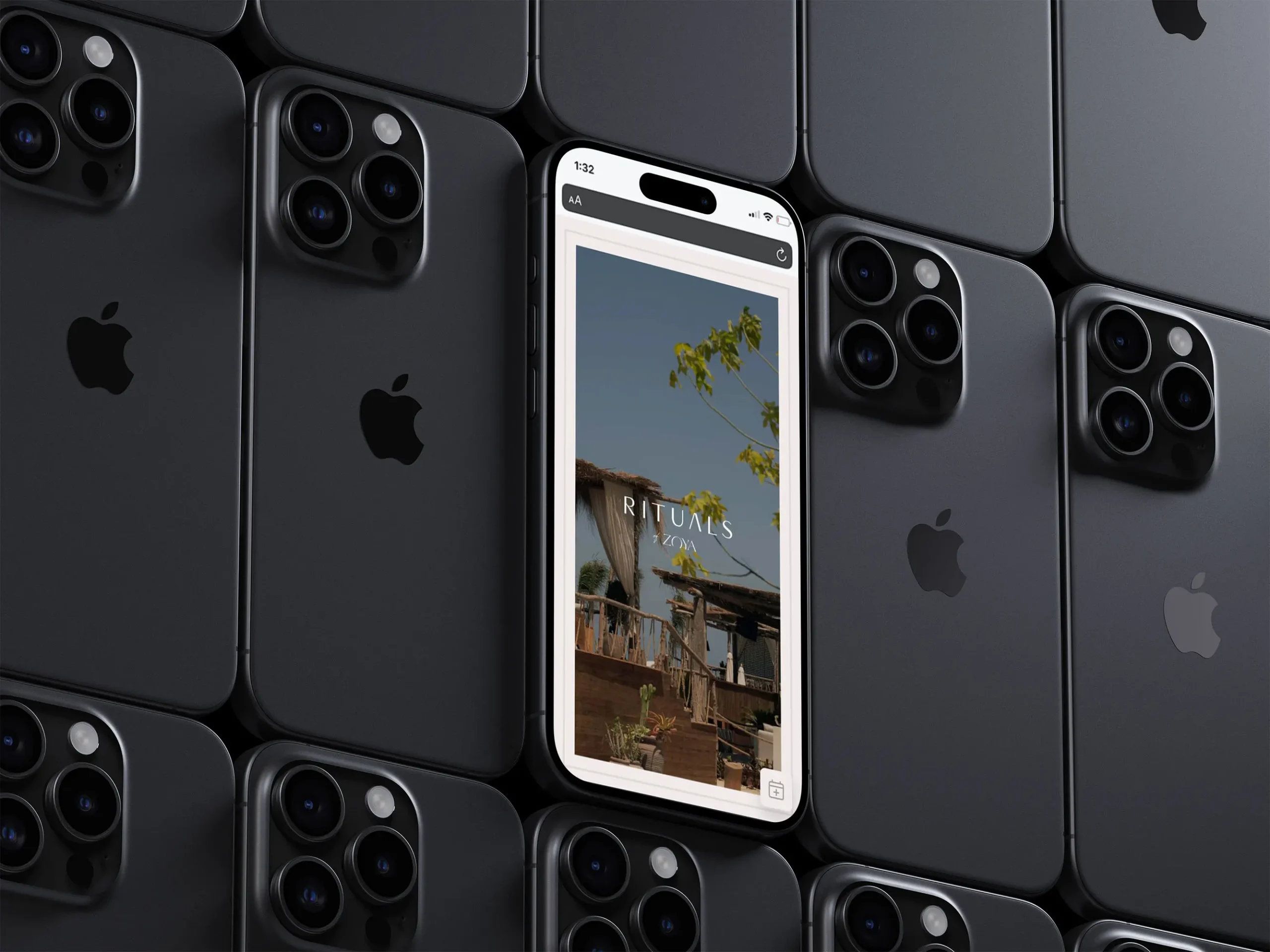
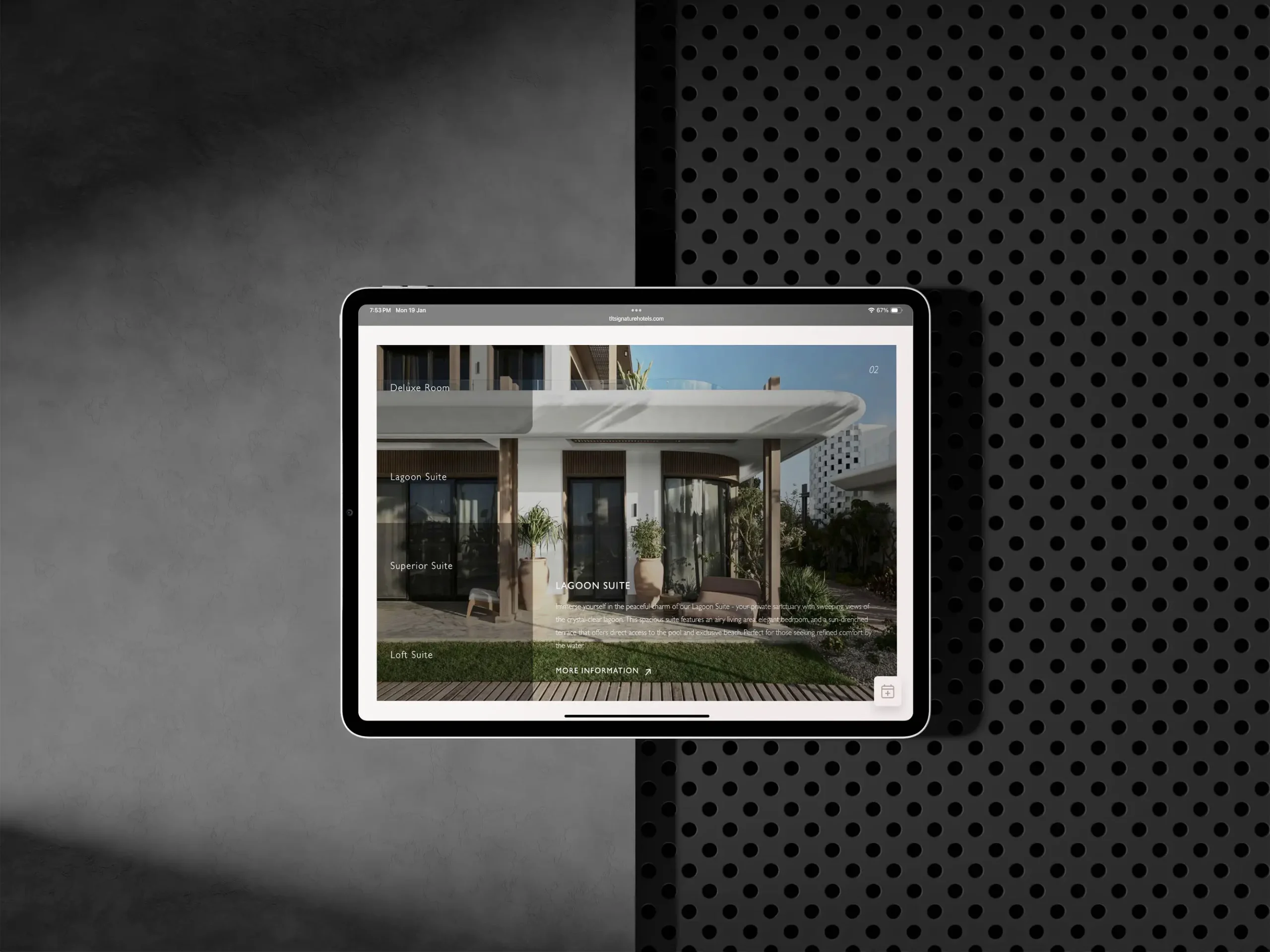
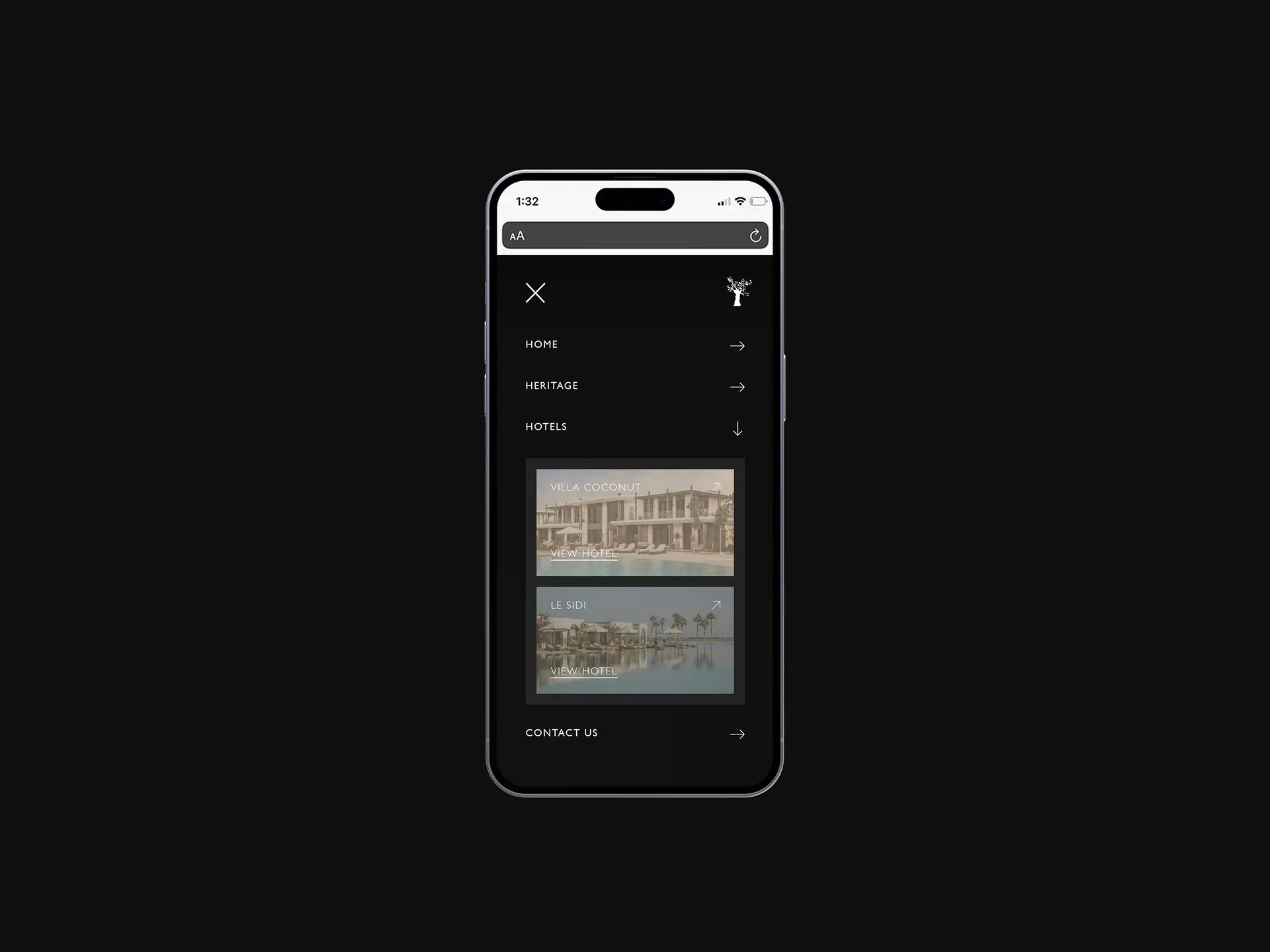
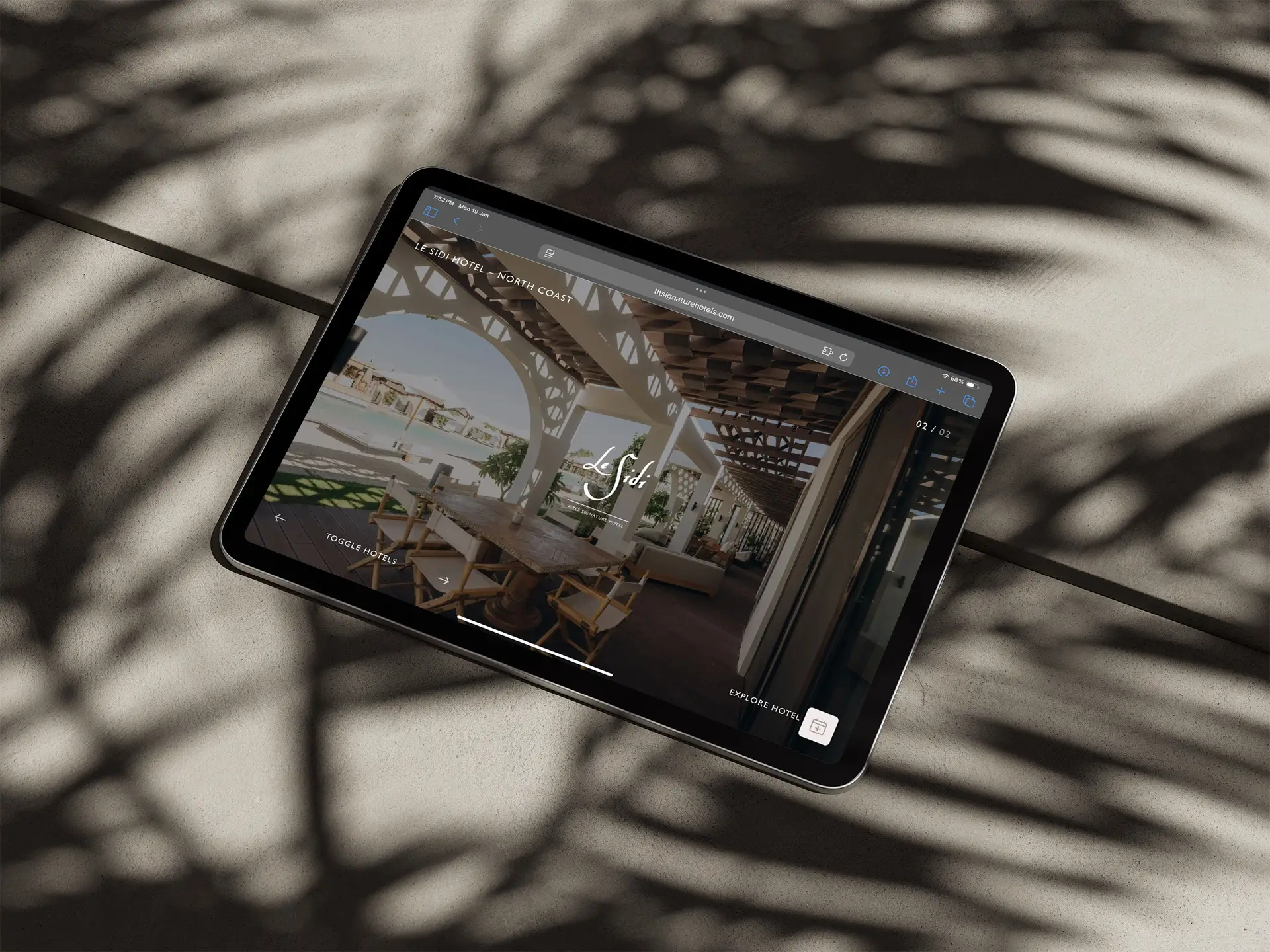
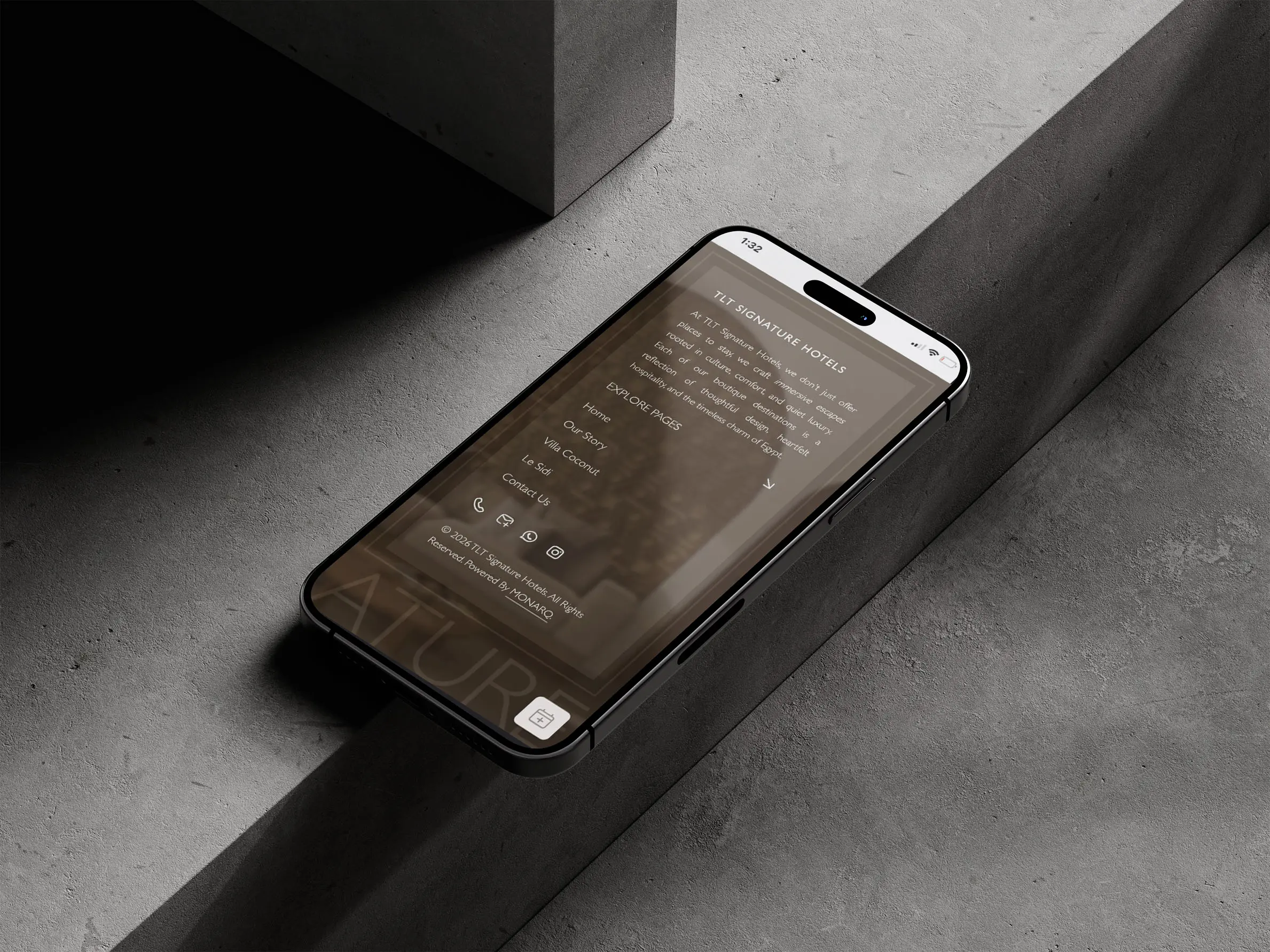
This gallery highlights the structure and user journey of the TLT Signature Hotels platform, showcasing how storytelling, navigation, and booking were aligned to support trust, clarity, and conversion.
Case Study
Built from the ground up, the TLT Signature Hotels platform translates a hospitality vision into a scalable, research-driven digital system. Designed with a strong focus on user behavior, clarity, and performance, the experience guides guests seamlessly from discovery to booking while remaining flexible for future growth. The project reflects Monarq’s ability to build thoughtful, system-led platforms that balance narrative, functionality, and long-term scalability.
1. About the Client
TLT Signature Hotels, developed by TLT Concepts, is a hospitality brand conceived around curated experiences rather than standardized stays. When Monarq began working with the brand, there was no existing website at all. The digital presence had not yet been defined, structured, or expressed. This absence created both a challenge and an opportunity. From a development perspective, this meant there were no legacy constraints, no inherited technical debt, and no assumptions embedded in an existing platform. At the same time, it meant the digital experience had to be built from zero, not as a surface layer, but as a foundational system capable of carrying the brand’s vision forward. The task was not to improve something that existed, but to translate an idea of hospitality into a functioning, scalable digital product for the first time.
2. Framing the Digital Problem
Building a hospitality platform from scratch requires a different mindset than redesigning an existing website. Without prior structure to react to, every decision becomes intentional. The primary question was not what pages to include, but how a guest should move, think, and feel from the first interaction onward. Hospitality users do not arrive with transactional intent alone. They arrive seeking reassurance, clarity, and alignment with expectations they may not yet be able to articulate. From a technical standpoint, the platform needed to support this emotional journey while remaining performant, maintainable, and extensible. The challenge was to design a system that could communicate atmosphere and trust without relying on excess content or visual noise, while also ensuring that future expansion would not require rethinking the core architecture.
3. Research, User Behavior, and Structural Decisions
Research focused heavily on behavior rather than preference. In the absence of an existing website, the analysis shifted to how users typically interact with hospitality platforms in similar markets, where digital literacy varies and hesitation is common. Patterns showed that users disengage quickly when navigation feels ambiguous, when information appears too late, or when interfaces attempt to be overly clever. Structurally, this informed decisions around hierarchy, repetition, and pacing. Key information was positioned earlier in the journey, not buried in secondary pages. Navigation paths were kept predictable to reduce cognitive load. From a development perspective, this required careful planning of content architecture, component reuse, and routing logic so that the experience would feel intuitive without relying on explanation or instruction.
4. Experience Design as a System
Rather than treating experience design as a visual layer, it was approached as a system-level concern. Every section of the platform was designed to serve a specific role in the overall journey, with transitions guiding users forward rather than inviting distraction. From landing sections that establish tone and expectation, to intermediate sections that provide reassurance, to action points that appear only when users are ready, the experience unfolds sequentially. Technically, this demanded tight alignment between layout structure, content loading behavior, and interaction timing. The goal was to create fluidity without depending on heavy animations or complex effects that could compromise performance or accessibility. The system needed to feel effortless, even though it was carefully engineered beneath the surface.
5. Booking Logic and Functional Flow
Booking was designed as an extension of understanding, not a separate destination. From a functional standpoint, this meant ensuring that users had already resolved most of their questions before entering the booking flow itself. Information architecture was shaped so that uncertainty is addressed upstream, reducing the likelihood of abandonment later. The booking flow was kept linear, calm, and interruption-free, with clear states and predictable interactions. From a development perspective, this simplicity also improves reliability, reduces edge cases, and makes long-term maintenance easier. The absence of unnecessary steps was not a stylistic choice, but a deliberate functional decision to preserve momentum and intent.
6. Scalability and Multi-Property Readiness
Although TLT Signature Hotels launched with a specific scope, the platform was built with future expansion in mind. The system architecture supports the introduction of additional properties without requiring structural changes or duplication. Templates, components, and content models were designed to be reusable while allowing controlled variation where identity differentiation is needed. From a development standpoint, this modularity protects the platform from fragmentation and ensures consistent behavior as the brand grows. Scalability here is not visible to the user, but it is fundamental to the platform’s longevity and to the operational flexibility of the brand.
7. Performance, Stability, and Technical Restraint
Performance was treated as a core component of trust. In hospitality, a slow or unstable website immediately undermines confidence, regardless of how strong the visuals may be. The platform was optimized to remain lightweight and responsive across devices, with particular attention to mobile behavior, where a large portion of discovery occurs. Technical decisions favored stability and clarity over novelty. Visual effects were used sparingly. Assets were optimized deliberately. Layouts were tested across viewports to ensure consistency. From a developer’s perspective, restraint was essential. A system that feels stable communicates professionalism without needing to announce it.
8. Collaboration and Iterative Development
The platform was built through close collaboration between the teams at TLT Concepts and Monarq, with continuous iteration rather than isolated phases. Strategy, design, and development evolved together, allowing decisions to be tested and refined early. Assumptions were challenged through discussion and observation rather than preference. From a development standpoint, this process ensured that technical decisions supported the experience rather than dictating it. The absence of an existing website made this collaboration even more critical, as every decision contributed directly to defining the brand’s first digital expression.
9. What the Platform Enables
The completed platform serves as more than an online presence. It functions as the digital entry point to the hospitality experience itself. It enables clarity, builds trust before arrival, and provides a scalable foundation for future growth. From a systems perspective, it allows the brand to expand without restructuring, to evolve without rebuilding, and to maintain consistency across properties. For Monarq, the project reinforced a core principle: strong digital platforms are built through research, structure, and restraint, not through surface-level decoration.
10. Final Perspective
The TLT Signature Hotels platform represents a deliberate balance between narrative and logic, emotion and structure, design and development. Built from the ground up, it demonstrates how a research-driven, system-focused approach can translate an abstract hospitality vision into a functioning, scalable digital experience. It does not attempt to impress immediately. It is designed to guide, reassure, and endure. From a developer’s perspective, it stands as an example of how thoughtful architecture and intentional execution can quietly elevate real-world experiences long before a guest ever arrives.