
The G Hotels
The G Hotels website turns a luxury hospitality brand into a clean, scalable digital experience with dedicated property paths, focused content, and interaction design built around user intent.


Case Study
The G Hotels website turns a luxury hospitality brand into a clean, scalable digital experience with dedicated property paths, focused content, and interaction design built around user intent.
The G Hotels is a hospitality brand built around more than accommodation. It represents a lifestyle, a feeling, and a curated guest experience. The website needed to translate that identity into a digital platform that feels elegant, intuitive, and purposeful while also supporting practical booking and discovery goals.
Client Context
The G Hotels operates across distinct properties under one brand. Each hotel needs its own presence, but the overall experience must still feel unified. This created a structural challenge: the website had to separate property identities clearly without fragmenting the brand.
The Digital Challenge
Hospitality websites often fall into two extremes. Some rely too heavily on large visuals without enough structure. Others become dense with information and lose the feeling of luxury. For The G Hotels, Monarq needed to design an experience that feels international and polished while remaining clear for users who want to explore rooms, facilities, locations, and booking paths quickly.
Experience Strategy
The main site acts as a gateway. It introduces the brand and then guides users toward the property that matches their intent. Each hotel receives its own page structure and content rhythm. This avoids confusion and makes the journey feel more controlled.
Brand Architecture
The brand needed a digital system that could hold multiple properties without making them feel like separate websites. The structure gives each hotel enough room to express its location, rooms, facilities, and atmosphere while still keeping users inside one recognizable brand world. This balance is important for hospitality groups that want both consistency and individuality.
Design Direction
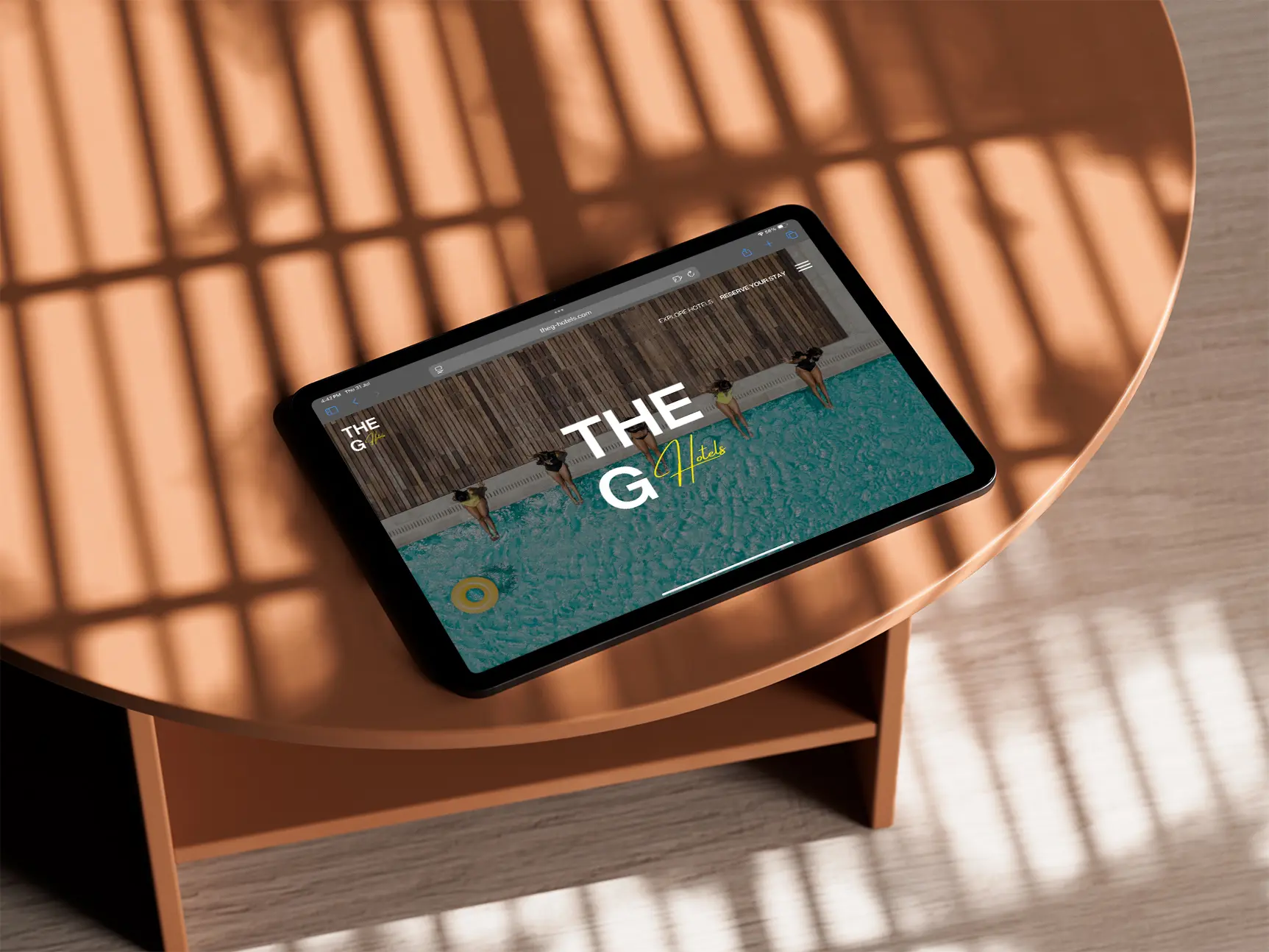
The interface is minimal, elegant, and deliberate. The design avoids decorative excess. Instead, it uses spacing, motion, imagery, and clean hierarchy to create a premium tone. Every section has a clear reason to exist, whether it builds atmosphere, explains a facility, showcases rooms, or encourages booking.
Room Exploration
One of the key UX decisions was to make room browsing more compact and manageable. Instead of long vertical room lists, the experience uses a more controlled structure that lets users compare and explore without fatigue. This is especially important in hospitality, where too many similar room blocks can quickly become repetitive.
Facilities and Discovery
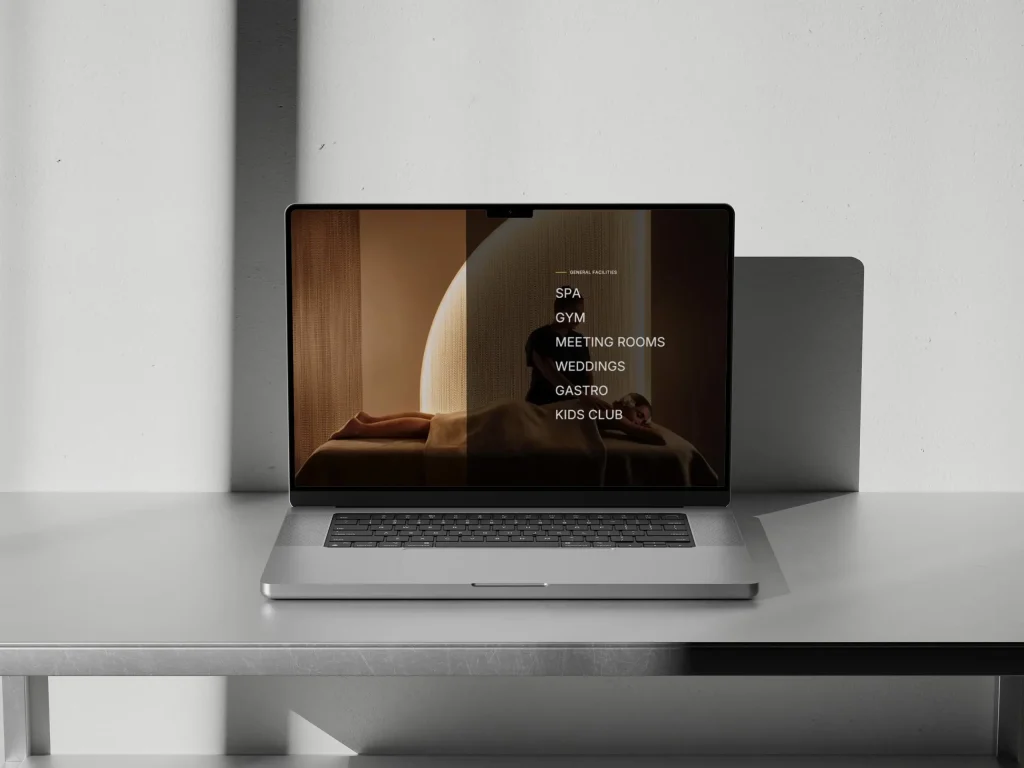
The facilities experience was designed around curiosity. Users can explore amenities without being forced through long pages of content. Interaction is used to reveal detail when interest is present, keeping the main journey clean and focused.
Content Strategy
The site avoids filler. Hospitality brands often want to say everything at once, but users need prioritization. Monarq shaped the content so each section has a clear function. The copy is segmented, actions are placed at natural decision points, and the interface keeps users oriented.
Booking Intent
Booking should feel like a continuation of discovery, not a sudden interruption. The site builds intent through imagery, room clarity, facilities, and location context before asking the user to act. This sequencing makes the call to book feel earned and natural.
Performance and Responsiveness
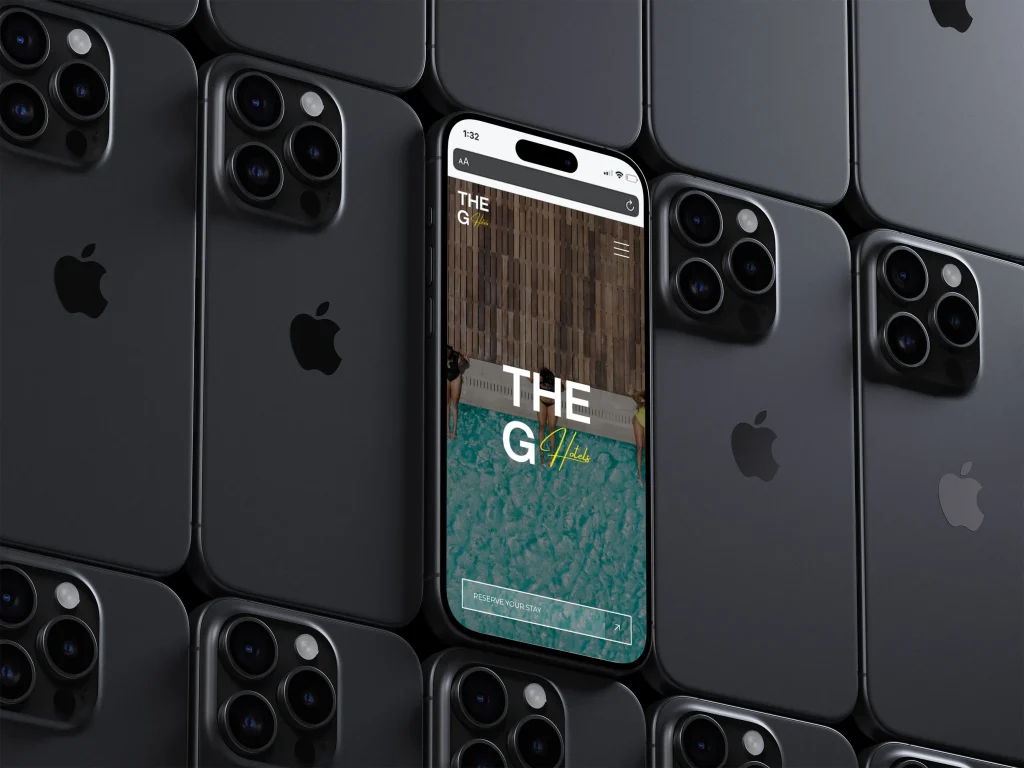
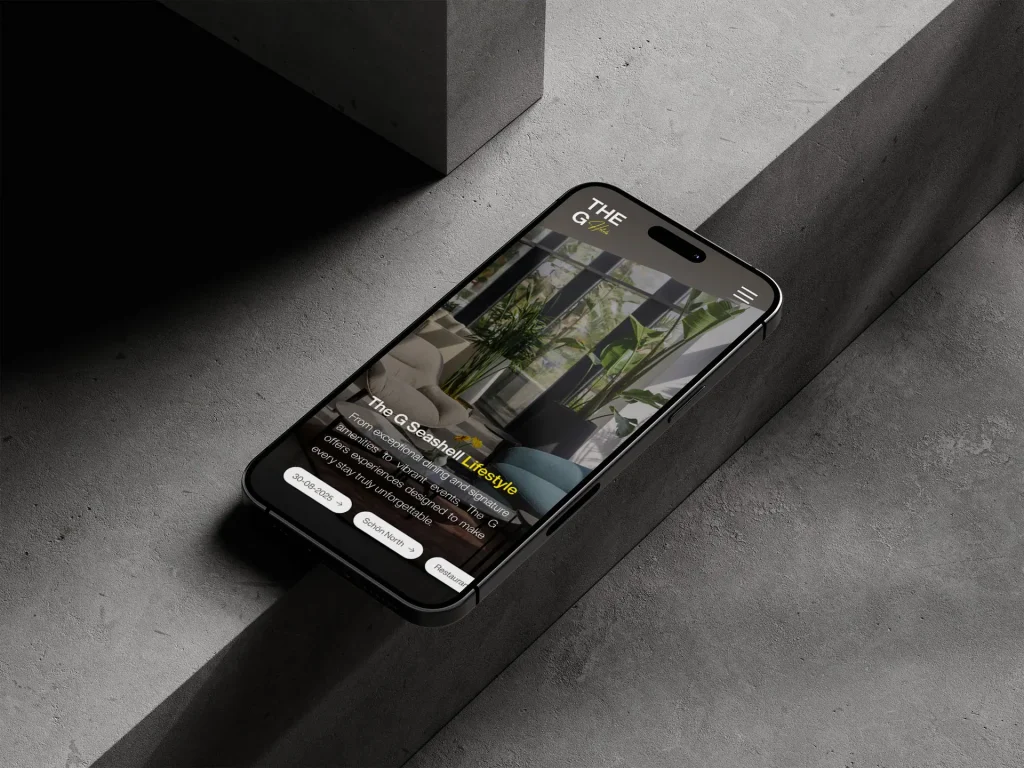
Hospitality discovery happens heavily on mobile. The site adapts interactions, menus, room exploration, and galleries for smaller screens rather than simply shrinking desktop sections. Performance and smoothness are treated as part of trust. A slow luxury website weakens the brand immediately.
Scalability
The architecture was prepared for future booking systems, loyalty programs, CRM integrations, and content expansion. The platform can evolve without requiring a new structural foundation, which protects the brand as its digital needs grow.
Operational Value
For the internal team, the website creates a more reliable way to communicate property details, update content, and direct users toward the correct hotel experience. This is especially valuable for a brand with multiple destinations, because content consistency becomes harder as the portfolio grows.
Client and Market Position
The G Hotels needed a digital presence that could express a hospitality lifestyle while also functioning as a practical discovery and booking tool. The client is not simply presenting rooms. It is presenting an experience, a standard of service, and a feeling guests should trust before they arrive.
Guest Psychology
Hotel guests make decisions through imagination and reassurance. They imagine the room, the arrival, the comfort, the location, the facilities, and the feeling of the stay. At the same time, they need practical clarity. The website was designed to let atmosphere build desire while structured content reduces uncertainty.
Emotional Flow
The experience avoids forcing users into booking too early. Instead, it gives them enough confidence to choose the next step naturally. Rooms, facilities, imagery, and property-specific content are sequenced so guests can move from interest to trust. This emotional pacing matters because hospitality decisions are rarely only rational.
Business Perspective
For the client, the site needed to unify multiple property stories under one brand system. It supports marketing, property communication, booking intent, and future growth. The platform gives the brand room to expand while keeping the guest journey clear and polished.
Competitive Context
Hospitality websites compete against booking platforms, social media impressions, and other hotel brands at the same time. The G Hotels needed a site that could own the brand story directly. The website gives the client a controlled environment where atmosphere, room quality, facilities, and booking intent can be shaped without depending only on third-party listings.
Content and SEO Thinking
Property pages, room descriptions, facility sections, and location-oriented content all support discoverability. The structure helps users and search engines understand each hotel more clearly. This is important for hospitality brands because guests often search by location, room type, amenity, and experience.
Performance and Visual Trust
Hospitality sites need strong imagery, but they cannot sacrifice speed. The design balances visual immersion with performance awareness so the brand feels premium and usable. Smooth browsing reinforces the idea that the guest experience itself will be organized and considered.
Measurement and Booking Behavior
The platform can help the client understand which properties, rooms, and facilities create interest. Over time, that behavior can inform campaigns, seasonal content, and booking strategy. The website becomes a direct source of guest intent, not only a presentation layer.
Outcome
The G Hotels gained a digital platform that reflects its refined identity while serving real user needs. The website feels polished, focused, and conversion-aware. It balances atmosphere with function and gives the brand a flexible base for future hospitality growth.